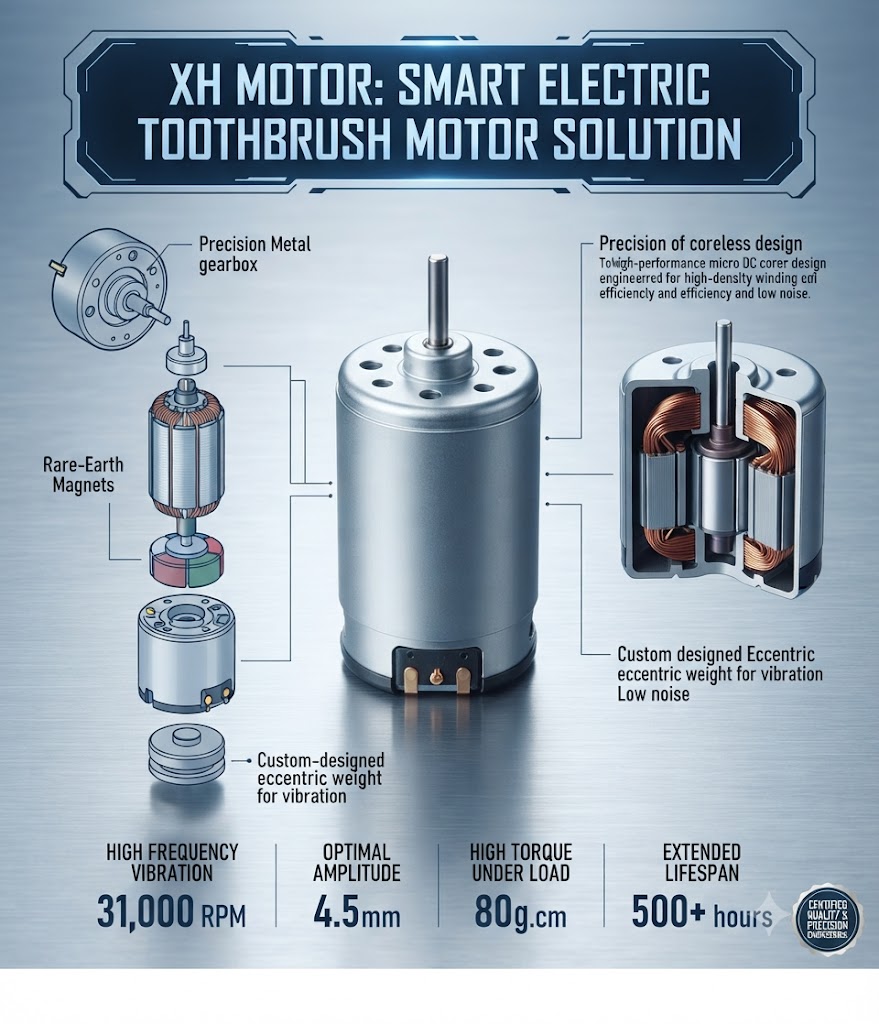
With over 20 years of expertise in drive technology solutions, XH Motor introduces an advanced smart electric toothbrush motor solution designed to deliver superior performance, reliability, and high adaptability for personal care manufacturers worldwide.
Electric toothbrushes have evolved from niche products into mainstream hygiene essentials, expanding their user base from children to seniors. While the market offers a wide variety of models, choosing the right internal components remains crucial for manufacturers aiming to elevate product quality and user satisfaction.
Core Components of an Electric Toothbrush
An electric toothbrush is engineered for precision oral cleaning. Its standard internal structure includes:
- Dry batteries or rechargeable power cells
- Micro DC motor (e.g., core DC drive)
- Battery housing and manual power switch
- Brush head and metal protective shield
- Outer protective sleeve
The micro DC motor serves as the powerhouse. Securely housed with the power source, the motor shaft extends into the brush head assembly to generate mechanical movement.
How Electric Toothbrushes Work: Sonic vs. Rotating
Modern electric toothbrushes generally fall into two categories:
- Sonic Electric Toothbrushes: Powered by an internal micro motor, the brush head oscillates at high speeds from side to side, generating high-frequency mechanical vibrations (sonic waves). Cleaning effectiveness is directly proportional to frequency and amplitude.
- Rotating Electric Toothbrushes: These utilize a motor to drive a circular brush head in a rotational sweeping motion, enhancing mechanical friction against plaque. They offer a simpler mechanism and cost-effective production.
Three Crucial Performance Metrics for Motor Selection
1. Frequency
Frequency dictates how fast the brush head oscillates. Mainstream electric toothbrushes operate between 15,000 and 31,000 vibrations per minute, ensuring maximum cleaning cycles per second.
2. Amplitude
Vibration amplitude—typically ranging between 3 mm and 5 mm—determines the sweep distance of the bristles. Because standard adult tooth crown heights range from 7 mm to 11 mm, a 5 mm amplitude ensures the bristles stay within safe boundaries without damaging the gums.
3. Torque
Torque is deeply linked to amplitude. When users apply pressure during brushing, inferior motors lose power and stall. High-torque motors maintain stable performance under load.
Key Takeaway: Frequency, amplitude, and torque dictate an electric toothbrush’s quality—and all three depend entirely on the performance of the core DC motor.
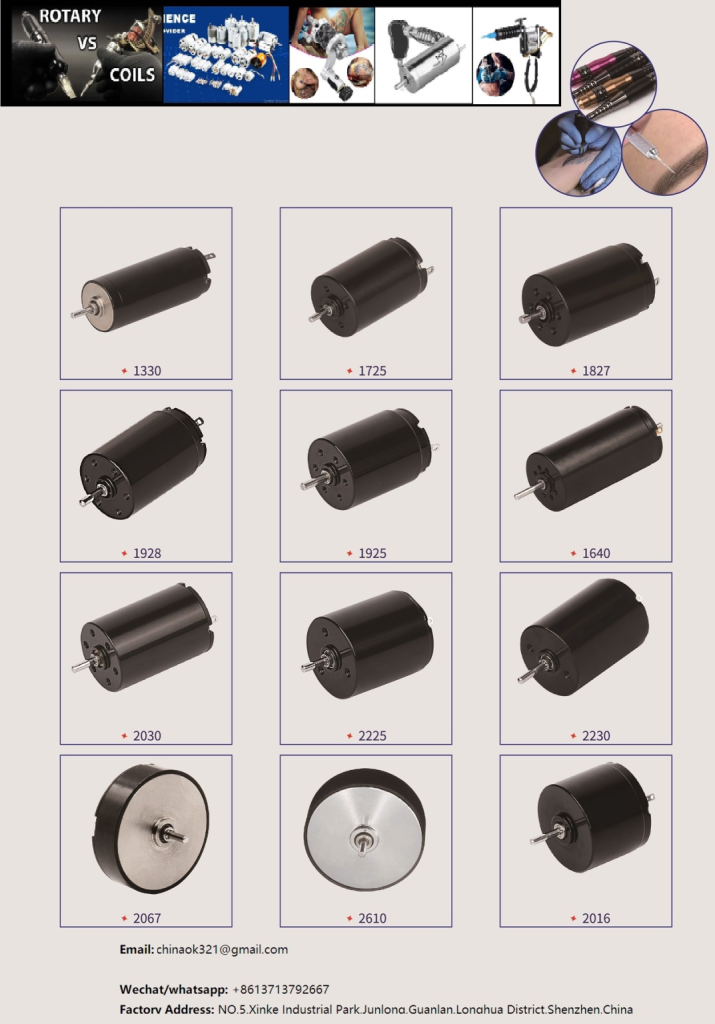
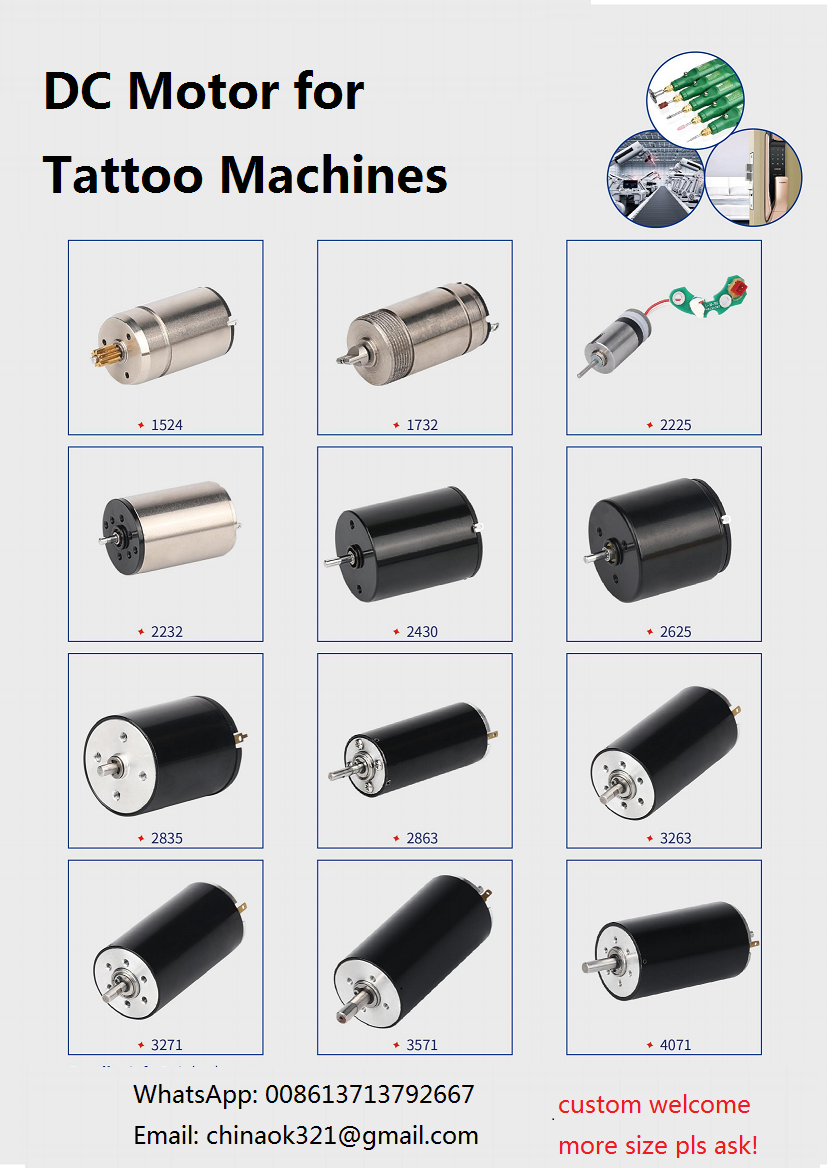
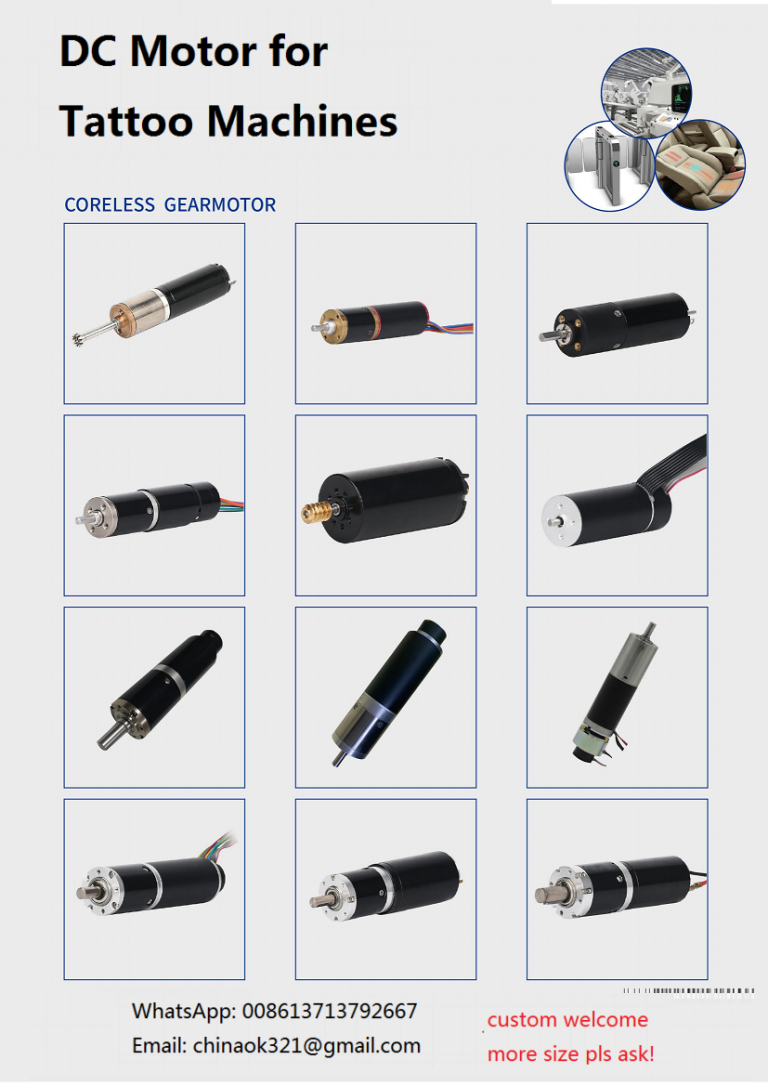
Featured Product: XH Motor DC Micro Motor Solution (FK-180SHV-2760G)
The operation of a smart electric toothbrush is intimately tied to built-in high-efficiency drives like the FK-180SHV-2760G DC motor. Leveraging IoT advancements and smart home integration trends, XH Motor empowers manufacturers to build smarter, scenario-driven oral care appliances.
Key Motor Features:
- Higher Operating Efficiency: Maximizes battery life and cleaning output.
- Extended Motor Lifespan: Built for rigorous daily use.
- Customizable Electrical Properties: Voltage and speed tailored to precise project evaluations.
- Smooth Operation: Minimized vibration noise for a comfortable user experience.
Customization & Engineering Support
With over two decades of motor drive expertise, XH Motor delivers rapid customization—providing engineering drawings, material selection, and prototype sampling tailored to your specifications.
- Website: www.coreless-motor.com
- Action: Contact our sales engineers today to discuss your next electric toothbrush project.
📌 We accept customized specification/parameters/drawings, contact us now for your requirement. Our engineering team will be delighted to make samples for you.
-
📧 Email Us: chinaok321@gmail.com
-
📱 WeChat/Mob: +8613713792667 ( our Whatsapp is blocked, please don't use whatsapp, just email, thanks)