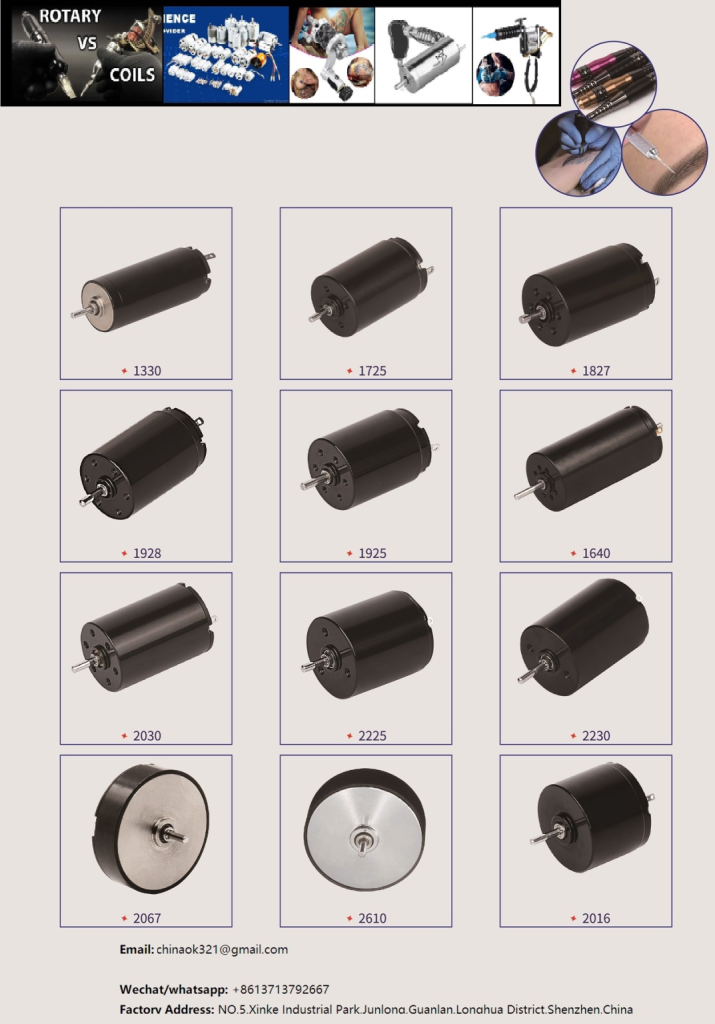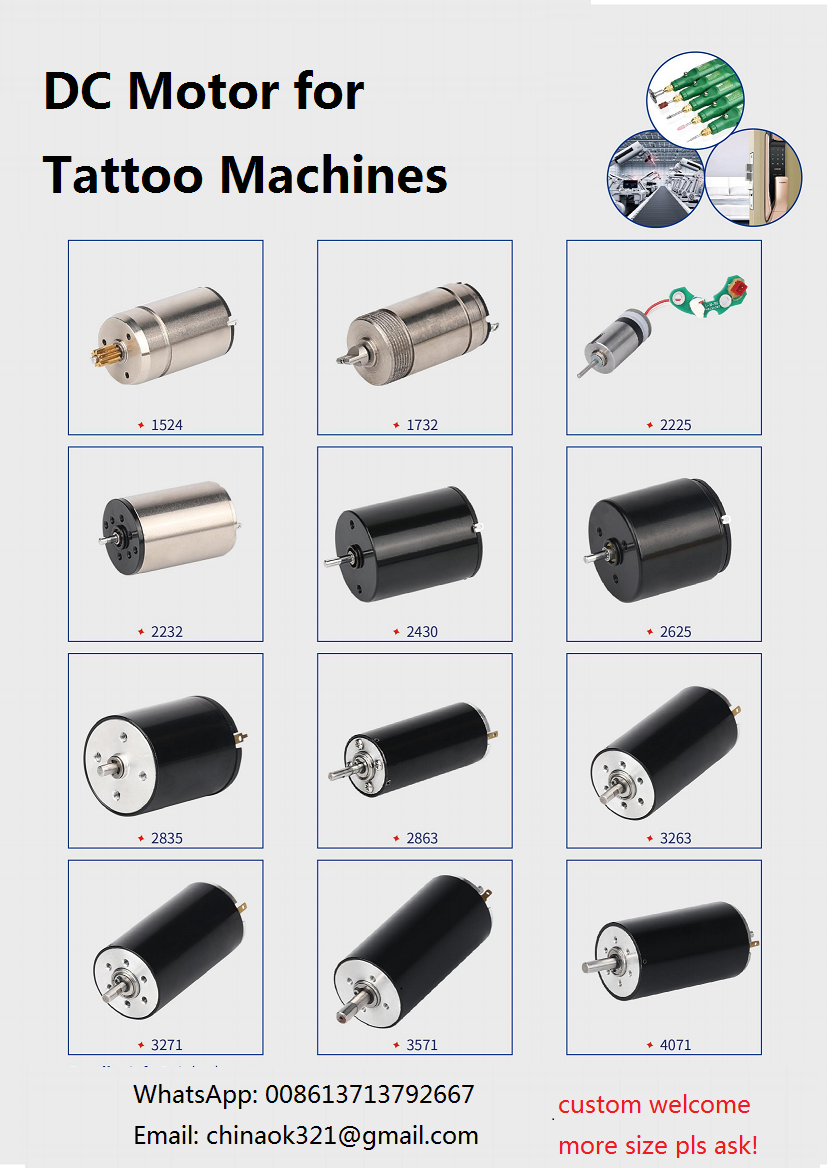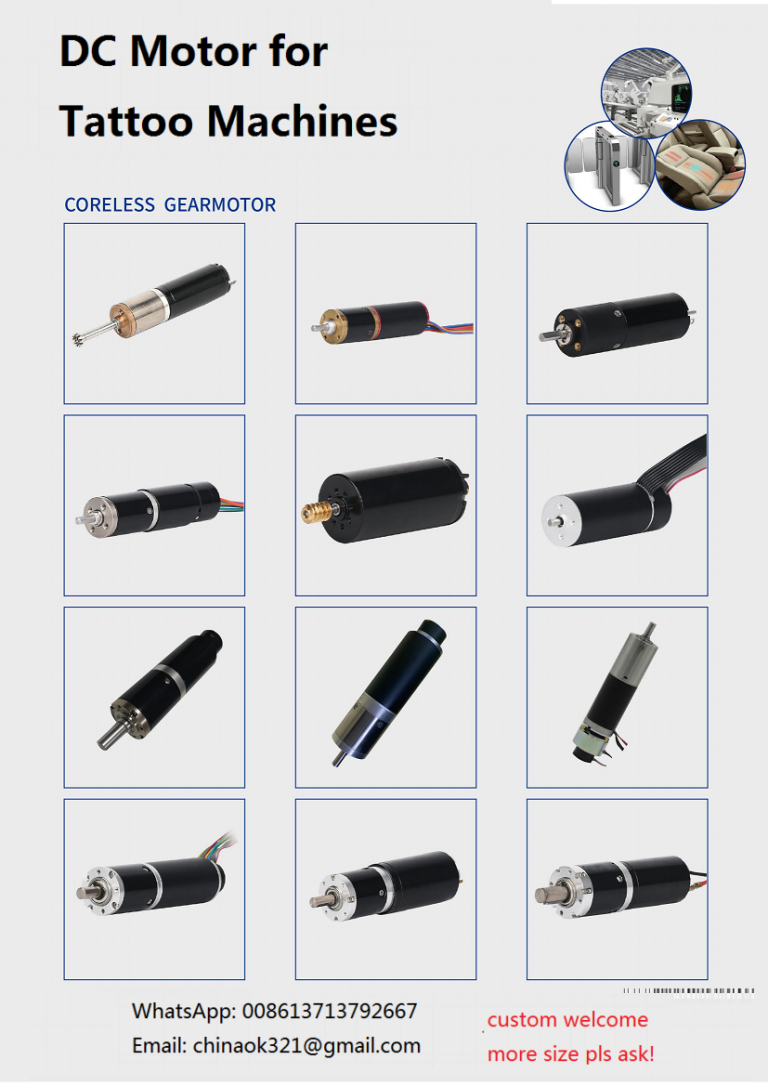
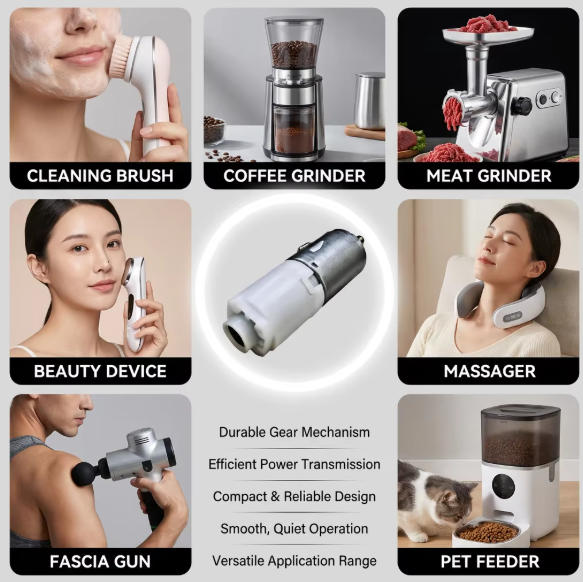
Choosing between a brushed DC motor and a brushless (BLDC) motor primarily depends on your specific application requirements, budget, and performance expectations regarding lifespan, noise, and control precision.
You can weigh your options across the following dimensions:
1. Core Advantages & Disadvantages Comparison
Brushed DC Motor
- Advantages:
- Simple Structure & Low Cost: Simple mechanical design resulting in lower initial investment and procurement costs.
- Easy Control: Straightforward control; simply connect to a direct DC power supply to operate, making speed adjustment intuitive.
- Disadvantages:
- Mechanical Wear & Limited Lifespan: Relies on physical carbon brushes and a commutator for power transfer and commutation. Brushes gradually wear down, leading to a shorter lifespan and a requirement for regular maintenance.
- Noise & Interference: Generates electrical sparks, electromagnetic interference (EMI), and mechanical noise during operation.
- Ideal Applications: Cost-sensitive, low-power, short-lifespan, intermittent-duty consumer products or simple equipment.
Brushless DC Motor (BLDC Motor)
- Advantages:
- Superior Performance: Eliminates physical brushes in favor of electronic commutation via a controller, delivering high efficiency, high rotational speed, and an ultra-long lifespan.
- Precise Control: Provides low-noise operation alongside exceptional precision in speed and torque regulation.
- Disadvantages:
- Higher Cost & Complexity: Higher initial purchase costs and requires an electronic speed controller (driver board), resulting in slightly higher system complexity.
- Ideal Applications: Industrial automation, precision medical equipment, high-end robotics, drones, and smart home appliances where reliability, continuous run-time, noise control, and dynamic response are critical.
2. Selection Decision Guide
We recommend evaluating these four core questions to make your final decision:
- Does your application require a long service life?
- If your equipment requires long-term continuous operation with minimal maintenance, a brushless motor is the definitive choice. For low-cost toys or small appliances with minimal runtime requirements, a brushed motor offers better cost-effectiveness.
- Are you sensitive to noise and electromagnetic interference?
- Medical devices, precision laboratory instruments, and high-end silent equipment have strict limitations regarding noise and sparks, making brushless motors the preferred choice.
- What are your control precision requirements?
- If your application demands precise speed regulation, rapid dynamic response, or closed-loop positioning, electronically commutated brushless motors significantly outperform brushed alternatives.
- What is your overall budget?
- While brushless motors carry higher upfront component and driver costs, factoring in maintenance overhead, downtime losses, and frequent part replacements reveals that the Total Cost of Ownership (TCO) for brushless motors is often lower in mid-to-high-end applications.
Get Custom Motor Solutions
Looking for the right motor configuration?
If you can share a few details about the specific product you are developing or utilizing (such as industrial machinery, precision instruments, robotics, or consumer electronics),feel free to contact us, and our team will provide tailored motor selection and customization advice.
📌 We accept customized specification/parameters/drawings, contact us now for your requirement. Our engineering team will be delighted to make samples for you.
-
📧 Email Us: chinaok321@gmail.com
-
📱 WeChat/Mob: +8613713792667 ( our Whatsapp is blocked, please don't use whatsapp, just email, thanks)