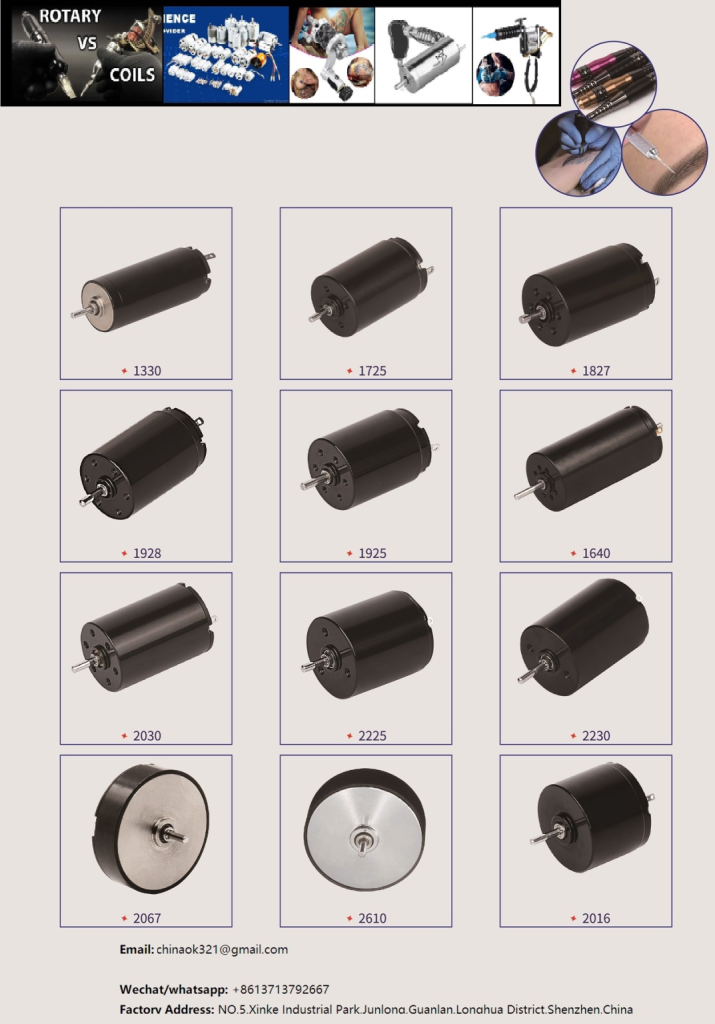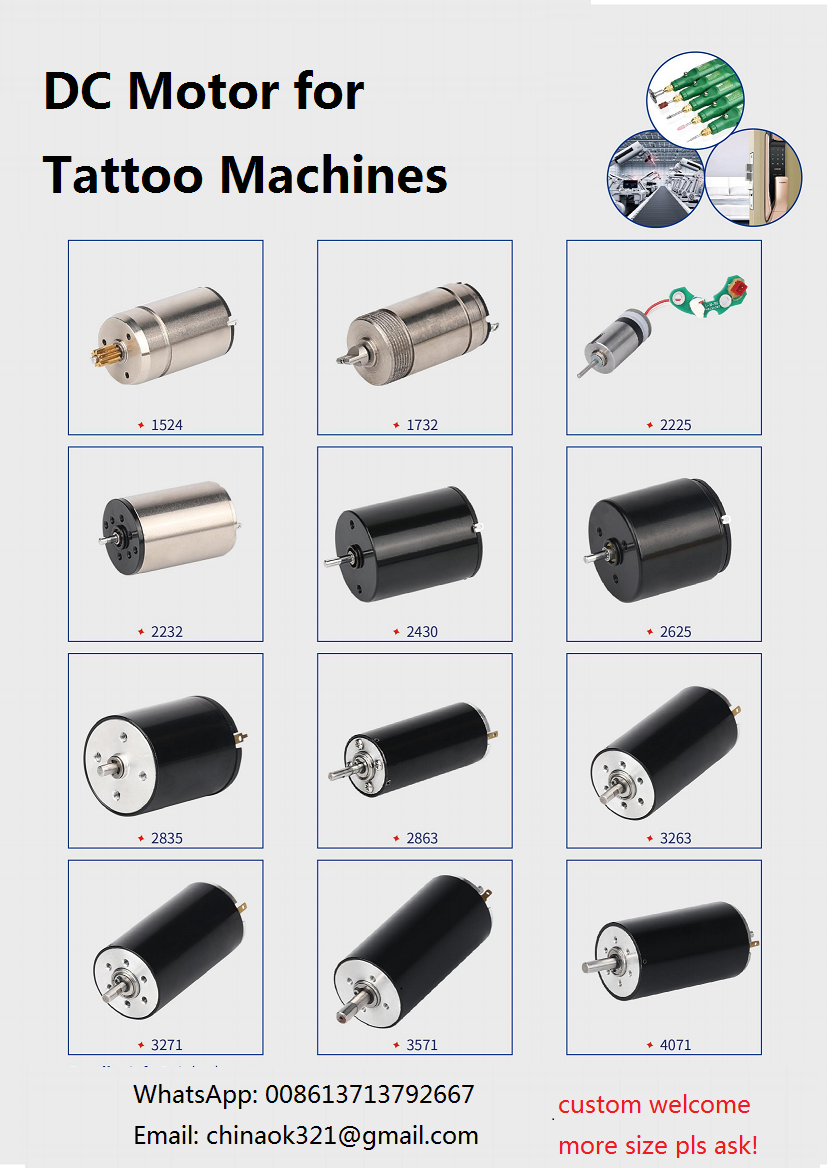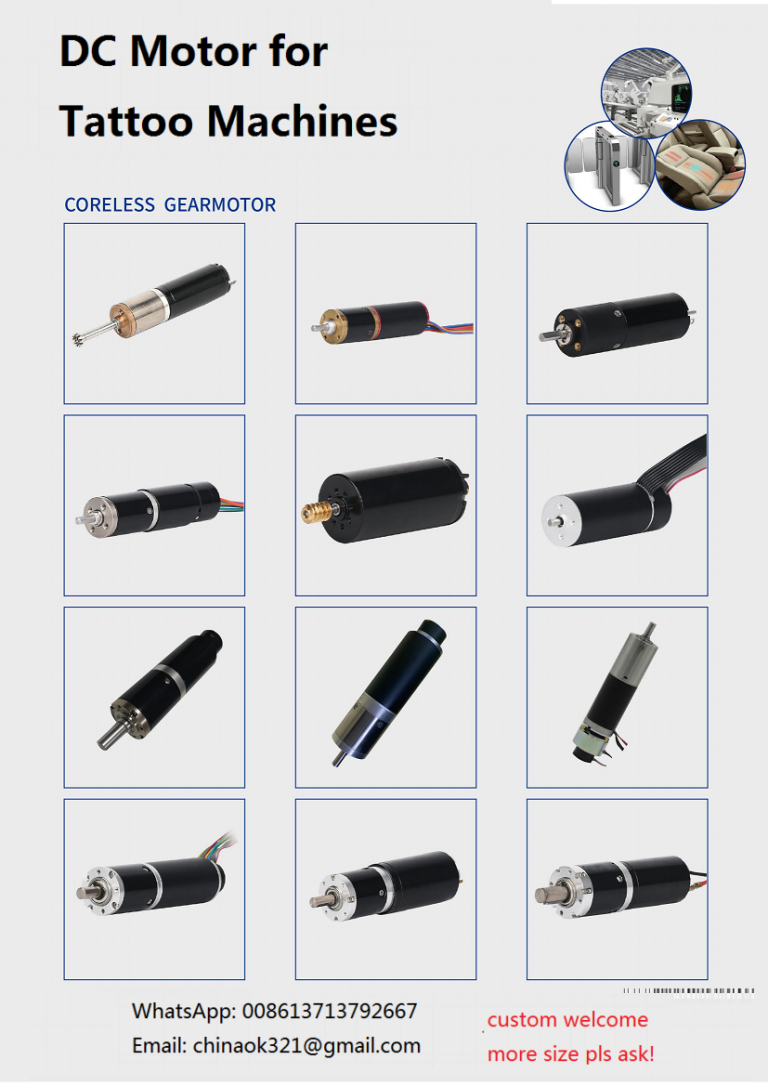
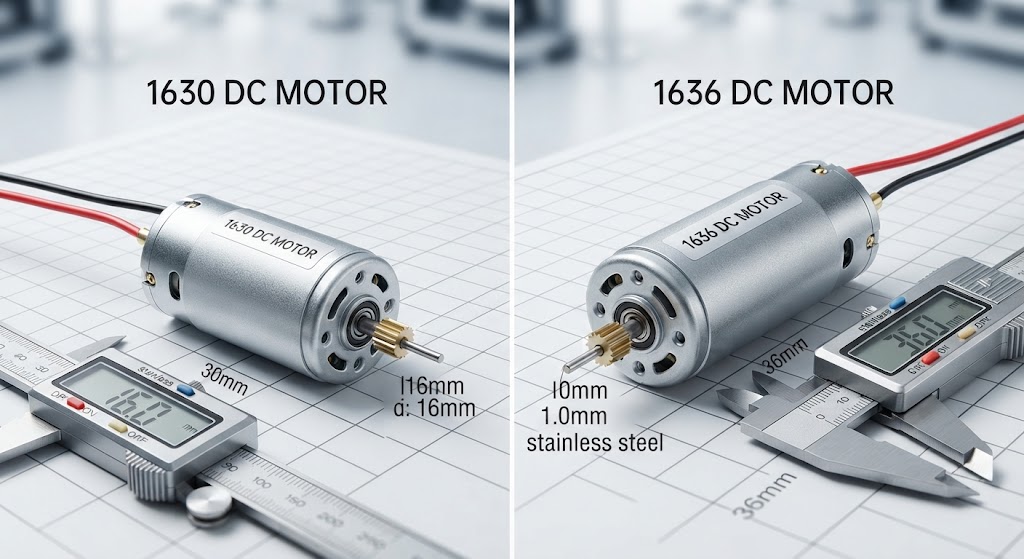
In micro-drive system design, the 16mm diameter coreless motor serves as a vital size node—compact enough to fit restricted spaces yet powerful enough to deliver high torque and efficiency.
Representing two distinct length profiles in this series, the 1630 (30mm body length) and 1636 (36mm body length) offer engineers varied trade-offs between power density and spatial footprint. This guide evaluates their technological characteristics, performance metrics, and target applications to optimize your next engineering design.
1. Coreless Motor Technology Overview
Unlike traditional iron-core motors, coreless DC motors utilize a rotor (brushed type) or stator (brushless type) featuring a coreless cup winding structure. Eliminating the iron core removes cogging torque entirely, unlocking distinct performance advantages:
- Zero Cogging & Ultra-Smooth Motion: Minimized torque ripple for precision tasks.
- Low Rotor Inertia: Accelerated dynamic response and rapid start-stop cycles.
- High Efficiency: Absence of core eddy-current losses.
- Superior Thermal Performance: Enhanced heat dissipation and reliable temperature rise control.
The 16mm series is a mainstream format for micro-actuators. The nomenclature follows industry standards: 16 denotes the 16mm outer diameter, while 30 and 36 designate the body lengths in millimeters.
2. 1630 Coreless Motor: Compact & High-Speed
The 1630 Coreless Motor has a body length of 30mm and weighs approximately 25g, making it the most space-saving choice in the 16mm product line.
Key Performance Metrics
- Continuous Power: ~4W
- Continuous Torque: ~3.5 mNm
- Max Speed: Up to 35,000 RPM
- Example Brand Data: Changxingda’s L1630N5M (6V version) achieves 12,000 RPM no-load speed, 20.2 mNm stall torque, 6.4W max output power, and 84% peak efficiency. Wanzhida’s ECS1630 brushless variant delivers 18,900 RPM and 4.5 mNm rated torque.
Version Options
- Brushed 1630: Features precious metal commutators, low electrical noise, and smooth speed control—ideal for medical and laboratory instruments.
- Brushless 1630: Utilizes electronic commutation for extended operational lifespans and zero spark generation, tailored for maintenance-free environments.
3. 1636 Coreless Motor: Power-Dense & High-Torque
With a body length increased to 36mm and a weight of about 32g, the 1636 Coreless Motor trades a minimal 6mm length increment for a massive performance upgrade.
Key Performance Metrics
- Continuous Power: Doubled to ~8W
- Continuous Torque: Up to ~8 mNm
- Example Brand Data: Sinbad’s XBD-1636 brushless model delivers a nominal speed of 14,276–15,355 RPM, a nominal torque of 5.38–6.57 mNm, and a peak power output between 15.6W and 17.2W with efficiencies up to 77.9%. Stall torque ranges from 34.69 to 36.50 mNm.
Version Options
- Brushless 1636: Handles demanding scenarios like vacuum environments and high-load medical setups.
- Brushed 1636: Preserves structural simplicity and cost-effectiveness for higher-torque consumer applications.
4. Side-by-Side Comparison & Selection Criteria
| Comparison Dimension | 1630 Coreless Motor | 1636 Coreless Motor |
| Body Length | 30 mm | 36 mm (+20%) |
| Approx. Weight | ~25 g | ~32 g |
| Max Continuous Power | ~4W (up to 6.4W) | ~8W (up to 17W+) |
| Continuous Torque | ~3.5 mNm | ~8 mNm |
| Max Speed | Up to 35,000 RPM | Up to 25,000 RPM |
| Primary Strength | Minimal axial footprint, high speed | High power density and torque output |
- Power Density vs. Space Efficiency: The 1636 yields roughly double the power and torque of the 1630 with only a 20% increase in length. However, if your axial design constraints are absolute, the 30mm 1630 is non-negotiable.
- Speed vs. Torque Priority: Choose the 1630 for high-speed, low-torque requirements (e.g., micro-fans or optical scanners). Opt for the 1636 when driving heavier loads like micro-robot joints or precision pumps.
5. Typical Application Scenarios
- Medical Devices & Precision Instruments: Brushed 1630s drive infusion pumps, insulin pumps, and surgical tools quietly and reliably. Brushless 1636s power high-power requirements like dental handpieces.
- Robotics & Actuators: 1630 motors fit into tight robotic end-effectors, whereas 1636 models serve miniature joint actuators (often paired with gearboxes).
- Consumer Electronics & Smart Devices: Smart locks, micro-drones, and automated gaming gadgets leverage both formats depending on internal clearance and budget considerations.
6. Conclusion
The 1630 and 1636 fulfill two different engineering philosophies within the 16mm coreless motor family: extreme compactness versus maximized power density.
When selecting your component on www.coreless-motor.com, evaluate your strict axial length boundaries, required torque-speed curves, operational lifespan goals, and budget limits to decide whether to harness the high-speed limits of the 1630 or reserve an extra 6mm for the robust performance of the 1636.
Are you currently evaluating motor options for a specific custom application, or do you need help calculating gear reduction ratios for either the 1630 or 1636 series?
📌 We accept customized specification/parameters/drawings, contact us now for your requirement. Our engineering team will be delighted to make samples for you.
-
📧 Email Us: chinaok321@gmail.com
-
📱 WeChat/Mob: +8613713792667 ( our Whatsapp is blocked, please don't use whatsapp, just email, thanks)