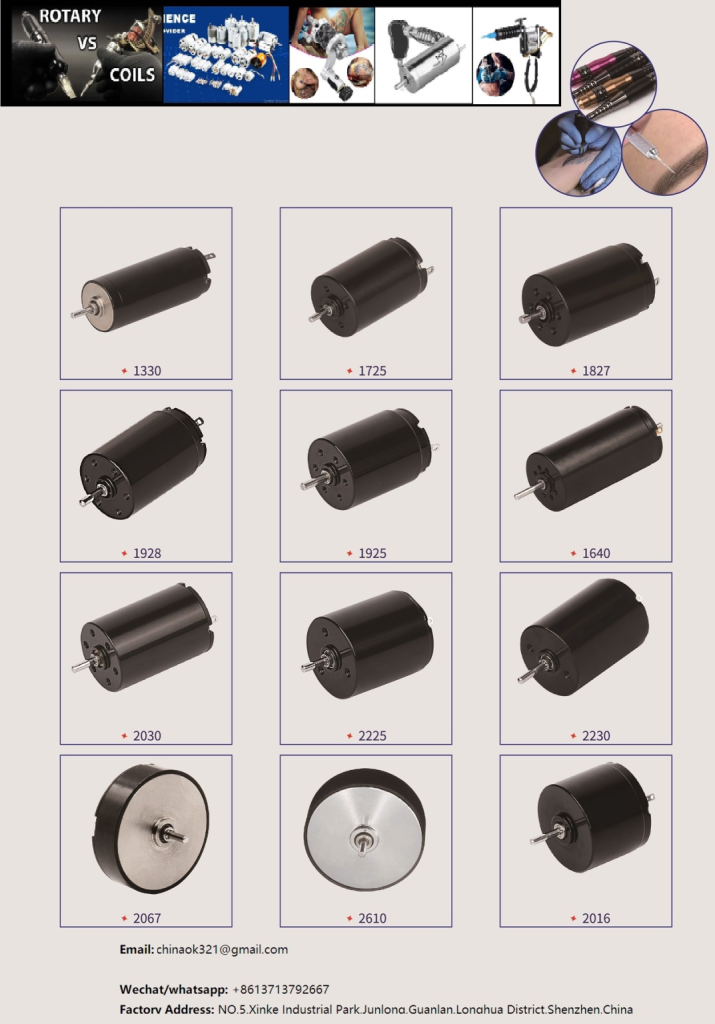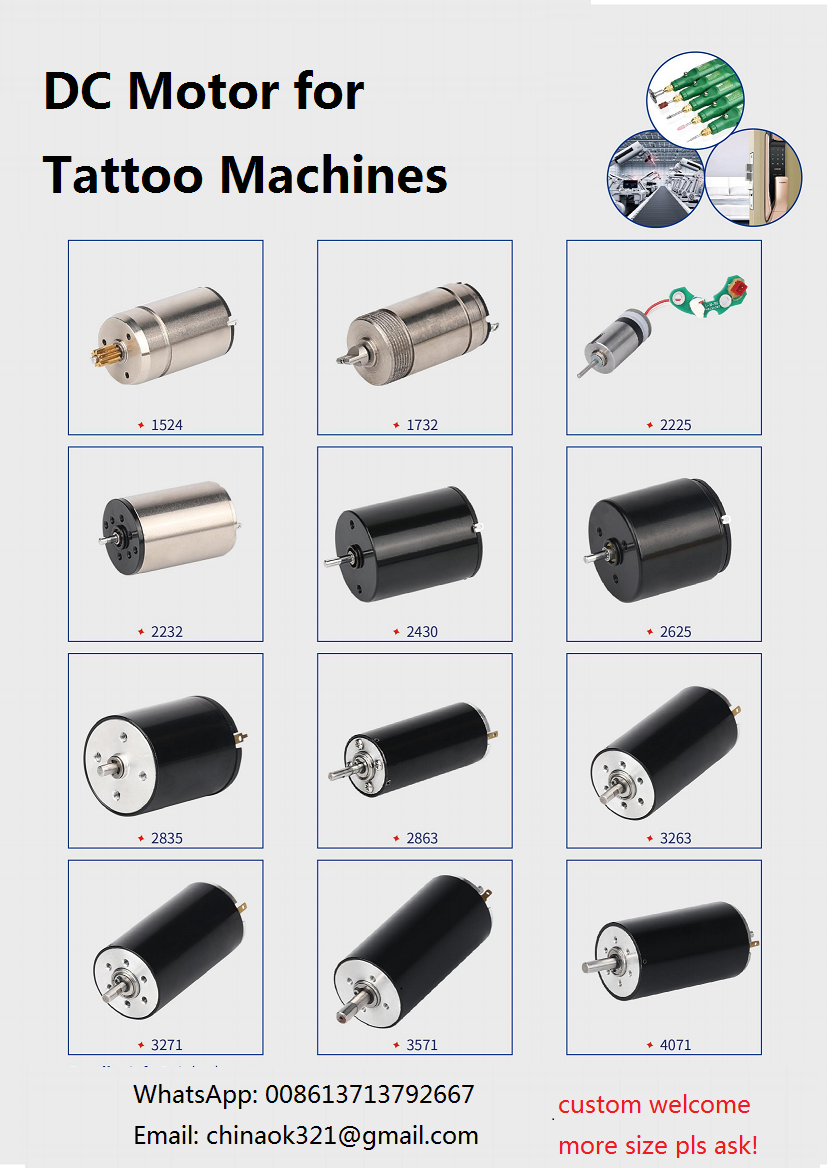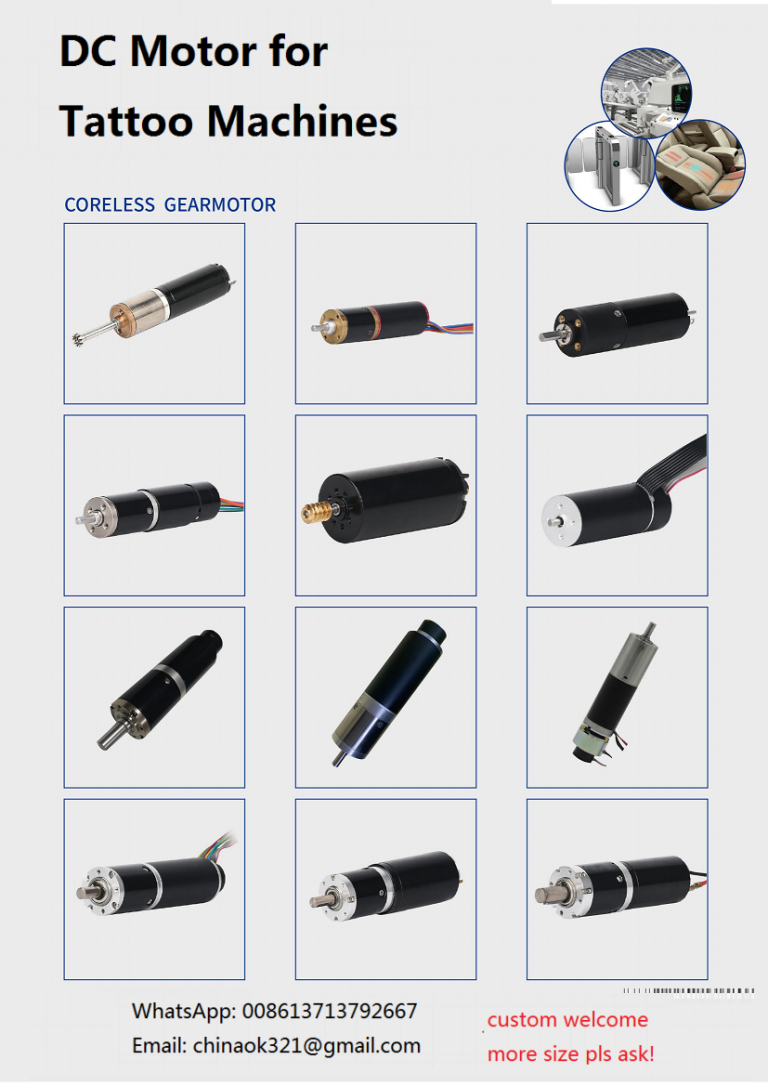
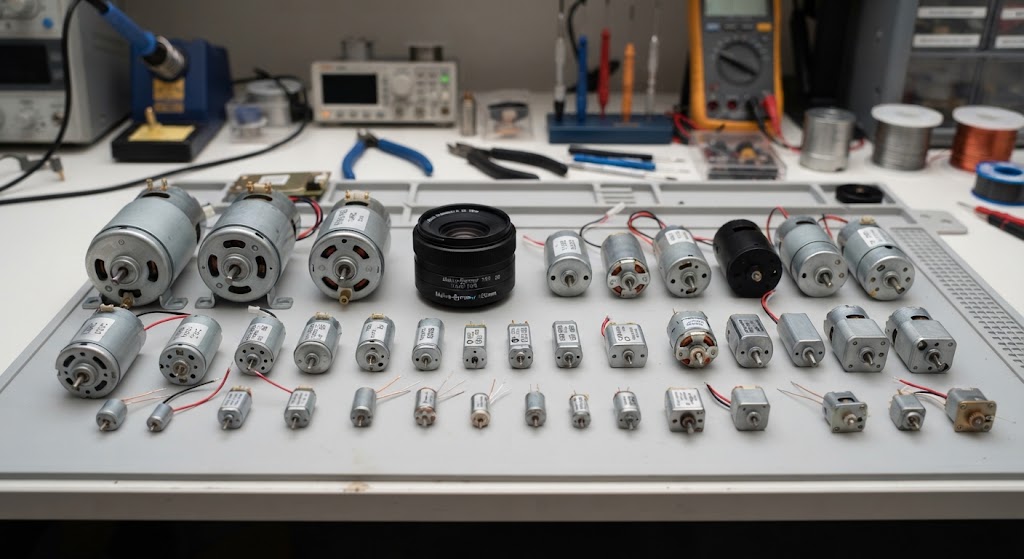
When selecting a drive solution for high-precision motion control, medical devices, robotics, or industrial automation, understanding the core fundamentals of electric motors is essential. Among all electric motor configurations, the Brushed DC Motor remains one of the most widely adopted, cost-effective, and versatile solutions globally.
Whether you are seeking high starting torque, simple voltage control, or compact coreless designs for space-constrained applications, this comprehensive guide covers everything you need to know about brushed DC motor technology.
What is a Brushed DC Motor?
A Brushed DC Motor is an electric motor operating on direct current (DC) that utilizes mechanical commutation—via conductive brushes and a segmented commutator—to deliver current into the rotor windings and generate rotational torque.
Known for its straightforward design and ease of integration, it converts electrical energy into mechanical movement without requiring complex electronic speed controllers (ESCs) or complex feedback control loops.
Core Components of a Brushed DC Motor
A standard brushed DC motor relies on four primary structural components to achieve continuous rotation:
- Stator: The stationary outer frame containing either permanent magnets (in PMDC motors) or electromagnetic field coils to produce a static magnetic field.
- Rotor (Armature): The rotating inner assembly consisting of wire coils wound around an iron core or configured into a self-supporting coreless winding structure.
- Commutator: A rotary mechanical switch mounted on the rotor shaft, consisting of segmented copper bars connected to the armature coils.
- Brushes: Stationary conductive blocks—typically made of carbon, graphite, or precious metals—that maintain sliding contact with the rotating commutator to supply current from the power source to the armature.
How Does a Brushed DC Motor Work?
The fundamental operation of a brushed DC motor is governed by the Lorentz Force Law:
- Current Flow: When a DC voltage is applied across the motor terminals, current passes through the brushes into the commutator segments and enters the rotor windings.
- Magnetic Field Interaction: The electric current passing through the armature coils generates a temporary electromagnetic field. This field interacts with the static magnetic field produced by the stator, generating mechanical torque that forces the rotor to turn.
- Mechanical Commutation: As the rotor turns, the commutator segments rotate past the stationary brushes. This continuous mechanical sliding automatically reverses current direction through the armature coils at precise angular intervals, ensuring uninterrupted, unidirectional rotation.
Main Types of Brushed DC Motors
Brushed DC motors are categorized primarily by how their stator field is generated and wired:
- Permanent Magnet DC (PMDC): Utilizes permanent magnets in the stator. They eliminate field current losses, offer a compact footprint, higher energy efficiency, and linear speed-torque performance—making them the most common choice for micro and coreless DC drives.
- Shunt-Wound: Field coils are connected in parallel with the armature windings, delivering excellent speed regulation regardless of load fluctuations.
- Series-Wound: Field coils are wired in series with the armature, producing exceptionally high starting torque to overcome high initial inertia (ideal for heavy cranes, winches, and starter motors).
- Compound-Wound: Combines both shunt and series field windings to balance high starting torque with stable speed regulation.
- Separately Excited: Features independent DC supplies for the field and armature windings, allowing precise control over torque and speed across wide operating ranges.
Coreless Brushed DC Motors: High Dynamics & Zero Cogging
In demanding, high-precision applications—such as surgical handhelds, optical positioning, and miniature robotics—standard iron-core brushed motors can introduce physical cogging (torque ripple) and higher rotational inertia.
To solve this, advanced manufacturers utilize ironless/coreless brushed DC motor design:
- Low Inertia & High Dynamics: By replacing the iron core with a self-supporting copper winding, rotor mass and moment of inertia are drastically reduced. This allows rapid speed adjustments and ultra-fast dynamic responsiveness.
- Zero Cogging: Without iron laminations in the rotor, magnetic reluctance torque (cogging) is completely eliminated, yielding perfectly smooth rotation even at ultra-low speeds.
- Low Start-Up Voltage: Coreless motors deliver high performance at minimal start-up voltages, making them exceptionally well-suited for battery-powered, portable equipment.
Types of Commutation Systems
The reliability, service life, and operational suitability of a brushed DC motor depend heavily on its brush-and-commutator material combination:
| Commutation Type | Key Characteristics | Ideal Application Areas |
| Precious Metal Commutation | Ultra-low contact resistance, low electrical noise, minimal current density, extremely low start-up voltage. | Low-power, battery-operated medical devices, portable sensors, precision optics. |
| Graphite / Metal-Graphite Commutation | High contact surface area, spring-loaded force, handles higher current densities, resistant to mechanical shock and vibration. | Motorized power tools, high-load industrial automation, medical surgical handpieces, robotics. |
Advantages & Disadvantages of Brushed DC Motors
Key Advantages
- Simple Control & Easy Integration: Speed can be controlled simply by varying the input voltage, and rotation direction is reversed by swapping polarity. No external drive electronics or microcontrollers are strictly required.
- Low Initial System Cost: Both the motor construction and its basic power supply/drive circuit are economical compared to brushless alternatives.
- High Starting Torque: Delivers strong initial torque to instantly overcome mechanical loads.
- Compact High-Power Density: Coreless micro DC motors pack high output power and efficiency into ultra-compact frame sizes.
Disadvantages & Limitations
- Mechanical Wear: Sliding contact between brushes and commutator causes gradual friction wear over time, requiring planned maintenance or defining the overall service life.
- Electrical Noise & EMI: Mechanical switching at the commutator creates micro-sparking, generating electromagnetic interference (EMI) that may require filtering in noise-sensitive circuits.
- Heat Dissipation: Because heat is generated inside the rotating armature coils, heat dissipation occurs through the air gap, limiting sustained overload capacity compared to BLDC motors.
Brushed vs. Brushless DC Motors: Which Should You Choose?
| Feature | Brushed DC Motor (PMDC / Coreless) | Brushless DC Motor (BLDC) |
| Commutation Method | Mechanical (Brushes & Commutator) | Electronic (ESC & Hall Sensors / Sensorless) |
| Control Complexity | Very Low (Direct DC connection) | High (Requires drive inverter / feedback loops) |
| Rotor Inertia | Ultra-low (especially in Coreless designs) | Moderate (Permanent magnets mounted on rotor) |
| Service Life | Limited by brush wear (~1,000 – 5,000+ hours) | Extremely High (Limited only by bearing life) |
| Initial System Cost | Low | Higher (Due to drive electronics) |
| Sparking / EMI | Present (Minimal in precious metal types) | Zero (Non-contacting electronic switching) |
Common Application Areas
Due to their unmatched simplicity, high dynamics, and compact power density, brushed DC motors drive critical applications across multiple high-tech industries:
- Robotics & Grippers: Precision joint actuators, dexterous end-effectors, and mobile robot wheel drives requiring high power-to-weight ratios.
- Medical & Healthcare Devices: Infusion pumps, prosthetics, surgical tools, diagnostic equipment, and automated drug delivery systems.
- Factory Automation & Smart Tools: Precision screwdrivers, motorized handheld tools, conveyor sorters, and pick-and-place equipment.
- Aerospace & Defense: Actuators for UAV flight control surfaces, micro-gimbals, optical positioning systems, and cockpit instrumentation.
- Automotive Systems: Power seat adjusters, windshield wiper drives, electronic throttle valves, and window lift mechanisms.
Summary: Finding the Right Drive Solution
When your project demands low initial costs, easy drive integration, smooth torque delivery, and rapid dynamic responsiveness, Brushed DC Motors—especially high-precision coreless variants—offer a reliable, field-proven solution.
By selecting the optimal commutation system (precious metal vs. graphite) and matching electrical parameters to your specific load profiles, you can maximize motor efficiency, service life, and operational performance.
📌 We accept customized specification/parameters/drawings, contact us now for your requirement. Our engineering team will be delighted to make samples for you.
-
📧 Email Us: chinaok321@gmail.com
-
📱 WeChat/Mob: +8613713792667 ( our Whatsapp is blocked, please don't use whatsapp, just email, thanks)